Chocolatte: A Creative Font for Modern Branding
The search for the perfect typeface often feels like a hunt for a missing puzzle piece. You have a concept, a color palette, a message, but the letters just won’t cooperate. Enter Chocolatte, a premium display font that bridges the gap between sophisticated elegance and modern edge. It is not just a set of characters; it is a design asset built to elevate creative projects from standard to stunning. If you are working on a brand identity, designing packaging, or crafting social media graphics, understanding how to leverage this typeface can significantly impact your results.
Visual Character and Personality
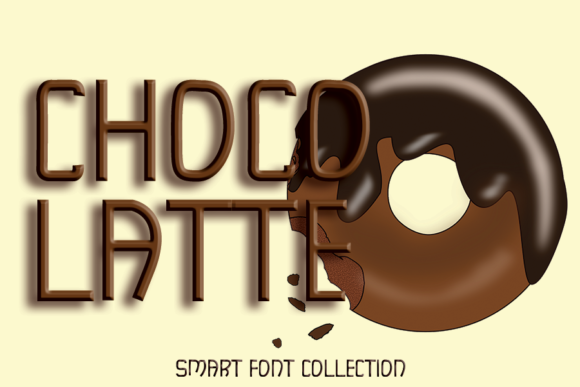
At its core, Chocolatte is a display typeface, meaning it is designed to be used at larger sizes where its details can truly shine. It avoids the rigidity of traditional serif fonts and the neutrality of standard sans serif fonts. Instead, it offers a unique visual rhythm that feels organic yet structured. The letterforms in Chocolatte often feature fluid curves and subtle variations in stroke width, giving it a personality that is approachable and artistic. It feels less like a machine-pressed font and more like a crafted piece of art, which is essential for brands trying to convey authenticity.
The style of Chocolatte leans into modern typography trends while maintaining a timeless appeal. It captures the energy of a handwritten font but with the legibility and consistency required for professional use. This balance is difficult to find. Many script fonts sacrifice readability for style, but Chocolatte manages to keep the text clear while preserving that artistic flair. It is a creative font that demands attention without shouting, making it an excellent choice for headings, titles, and logos.
Strategic Applications in Design and Branding
Choosing a font is a strategic decision that influences how your audience perceives your brand. Chocolatte excels in environments where personality is key. For entrepreneurs and small business owners, this typeface can be the cornerstone of a memorable brand identity. Imagine a bakery, a boutique clothing line, or a lifestyle blog using Chocolatte for their logo design. The font immediately communicates a sense of care, creativity, and modern style. It suggests that the brand values aesthetics and pays attention to detail.
In the realm of packaging design, Chocolatte is a powerful tool. Shelf appeal is critical, and typography plays a massive role in whether a customer picks up a product. This font works beautifully on labels for artisanal goods, beauty products, or specialty foods. Its distinct character helps products stand out against competitors using generic fonts. Furthermore, in editorial design, such as magazine covers or book titles, Chocolatte adds a layer of sophistication that draws the reader in. It sets the mood before the reader even processes the content of the headline.
Digital creators and marketers will find Chocolatte equally useful. On social media platforms where attention spans are short, a striking display font can stop the scroll. Using Chocolatte for Instagram quotes, Pinterest pins, or YouTube thumbnails adds a professional polish that generic system fonts cannot match. It helps in building a consistent visual language across different platforms, which is vital for brand recognition.
Readability and Visual Hierarchy
While Chocolatte is visually striking, it is important to discuss its role in readability and hierarchy. As a display font, it is best suited for headlines and sub-headings rather than long blocks of body text. This is a common principle in web design and print design; you pair a decorative header font with a cleaner body font. For instance, you might use Chocolatte for your main headline and pair it with a clean sans serif font like Helvetica or Roboto for the paragraphs. This contrast creates a clear visual hierarchy, guiding the reader’s eye from the most important information to the supporting details.
When used correctly, Chocolatte enhances engagement. It adds emotional weight to your words. A promotion written in a standard font feels like an announcement; the same promotion set in Chocolatte feels like an invitation. However, it is crucial to test the font at the size you intend to use it. Zoom out and see if the letters remain distinct. If the tracking (the space between letters) is too tight, the text can become difficult to decipher. Adjusting the kerning and leading can often solve these issues, ensuring that your design remains accessible to all readers.
Practical Tips for Implementation
If you are considering adding this asset to your toolkit, here are a few practical guidelines to ensure you get the most out of the Chocolatte font.
- Evaluate the Project Fit: Ask yourself if the project requires a bold personality. Chocolatte is perfect for creative agencies, event invitations, and lifestyle brands. It may not be the best fit for a corporate law firm or a medical institution where strict formality is required.
- Master Font Pairing: Since Chocolatte has a strong personality, pair it with something simple. A neutral sans serif font usually works best. Avoid pairing it with other decorative fonts, such as another script or handwritten font, as this can create visual clutter and confuse the message.
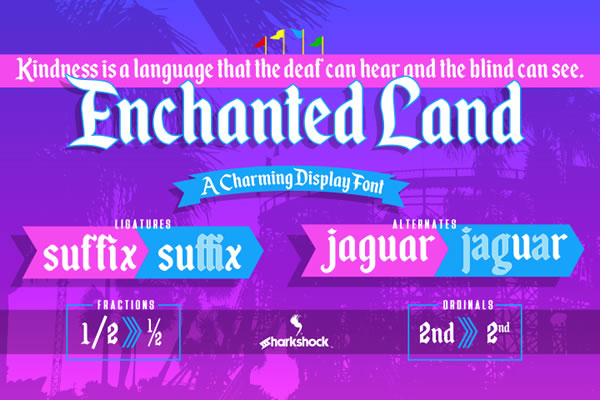
- Review Included Styles: High-quality premium fonts often come with stylistic alternates, ligatures, or different weights. Explore these features. Swapping out a standard letter for an alternate version can make your typography look custom-designed and even more unique.
- Check Licensing: Ensure you have the correct commercial license for your intended use. If you are using Chocolatte for a client’s logo or on products for sale, you need a license that covers commercial distribution. This protects you legally and supports the type designers who created the work.
Ultimately, Chocolatte is more than just a typeface; it is a creative partner. It offers the versatility to adapt to various mediums—from print to digital—while maintaining a consistent, high-end aesthetic. By understanding its strengths and applying it thoughtfully, you can use Chocolatte to transform your creative ideas into professional, engaging designs that resonate with your audience.