Pinky Girl: The Sweet Display Font for Modern Designers
A Typeface with a Friendly, Approachable Vibe
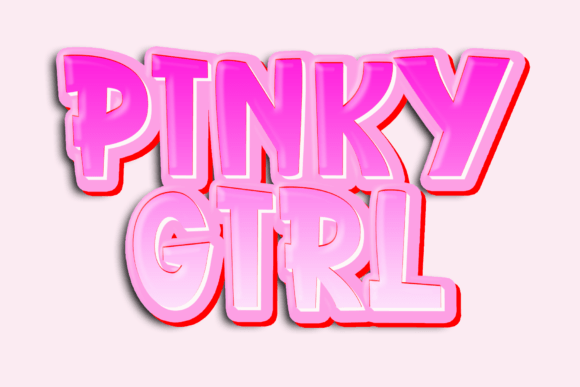
Pinky Girl is a sweet and friendly display font that immediately brings a sense of warmth and approachability to any design. Its character set features smooth, rounded terminals and a gentle, flowing baseline, giving it a natural, handwritten feel without sacrificing legibility. This isn't a stark, geometric sans serif font, nor is it a formal serif font. Instead, it occupies a charming middle ground, offering the personality of a script font with the clarity needed for impactful headlines and branding elements. The overall appeal lies in its versatility; it feels both personal and professional, making it a surprisingly flexible tool in a designer's toolkit. The unique style of Pinky Girl makes it incredibly fitting for a large pool of designs, from boutique branding to engaging social media content.
Where Pinky Girl Truly Shines: Real-World Applications
The true test of any creative font is how it performs in practical scenarios. Pinky Girl excels in projects where you need to establish an immediate emotional connection with your audience. Think of a new bakery's logo design, where its friendly curves suggest homemade goodness. Consider a lifestyle blogger's website headers, where it adds a personal touch that feels authentic. Its strengths are particularly evident in:
- Branding & Identity: It's an excellent choice for brand identity systems targeting women, families, or anyone seeking a soft, welcoming aesthetic. Use it for logos, business cards, and packaging design for products like artisanal foods, beauty items, or children's clothing.
- Marketing & Social Media: On social media graphics, Pinky Girl grabs attention in crowded feeds. It's perfect for quote graphics, promotional announcements, and story highlights that need a dose of personality. Its readability at medium sizes makes it suitable for subheadings in email marketing campaigns.
- Publishing & Editorial Design: For editorial design, think book covers for contemporary fiction, magazine feature titles, or cookbook chapter headings. It adds a human touch to layouts that might otherwise feel sterile.
- Digital & Web Design: In web design, use it sparingly for key elements like a homepage hero statement, a call-to-action button, or a navigation menu for a boutique e-commerce site. It pairs beautifully with a clean, neutral sans serif font for body text.
- Personal & Commercial Projects: Crafters and hobbyists will find it invaluable for creating personalized invitations, greeting cards, or printable wall art. Small business owners can use it to design professional-looking flyers, menus, or thank-you notes that feel bespoke.
The key is to deploy Pinky Girl where its sweet character enhances the message rather than distracting from it. It's a font that communicates warmth, so it's less suited for corporate finance reports or legal documents, but it's a powerhouse for creative, consumer-facing applications.
Making Pinky Girl Work for You: Practical Guidance
Adopting a new premium font like Pinky Girl into your workflow requires some thoughtful consideration to ensure it elevates your project. Here’s how to approach it effectively.
Evaluate the Project Fit
Before you commit, ask yourself: Does the core message of this project align with the font's personality? If you're designing a brand identity for a law firm, Pinky Girl is likely the wrong choice. But if you're creating a logo for a floral studio or a child's birthday party planner, it could be perfect. Look at the font's visual characteristics—its weight, spacing, and unique letterforms—and imagine them in context with your other design assets.
Test Font Pairings Thoughtfully
A great display font needs a partner. Pinky Girl, with its strong personality, pairs best with something more subdued. A classic, readable sans serif font like Helvetica, Arial, or a clean geometric sans serif creates a balanced visual hierarchy. For a different vibe, you could pair it with a simple, sturdy serif font for a touch of contrast. The goal is to let Pinky Girl shine in headlines while your secondary font handles longer passages of text with clarity. Always test your font pairing in the actual context—a mockup of a website layout or a printed sample is far more telling than just looking at them side-by-side in a design program.
Review Included Styles and Licensing
A quality commercial font often comes with more than one style. Check if Pinky Girl includes alternates, ligatures, or multiple weights. These features can add valuable nuance to your designs. More importantly, understand the licensing. For any commercial project—from a client's logo to products for sale—you must ensure you have the correct commercial license. This is a non-negotiable step for professional designers and businesses to avoid legal issues and support the work of type designers.
Prioritize Readability
As a display font, Pinky Girl is optimized for impact at larger sizes. Use it for headlines, logos, and short phrases. Avoid setting paragraphs of body copy in it, as the intricate details that make it charming at 48pt can become distracting and reduce reading speed at 12pt. Always conduct a readability test: print it out, view it on different screens, and ask someone unfamiliar with the project to read it. If they struggle, it's time to adjust the size, leading, or consider a different application.
Consider the Broader Brand Ecosystem
If you're using Pinky Girl for a brand identity, think about how it will extend across all touchpoints. Will it work on a small favicon? Is it clear enough when engraved on a product? Does it maintain its charm when printed on textured paper? A strong brand identity is consistent, so ensure this typeface can perform reliably across all your planned media. Its modern typography feel makes it adaptable, but testing is key to building a recognizable and professional presence.
In the end, Pinky Girl is more than just a sweet-looking typeface. It's a strategic design asset. By understanding its strengths and applying it with intention, you can harness its friendly, unique style to create designs that genuinely connect with people, build memorable brands, and add a touch of heartfelt creativity to any project you undertake. The only limit, as they say, is your imagination.